Afghan migrants face severe exploitation, abuse, and life-threatening risks along irregular migration routes across South and Central Asia, the Middle East, and toward Europe. Thousands have died due to extreme weather, unsafe border crossings, human trafficking, and violent pushbacks, while many more endure forced labor, gender-based violence, and systemic discrimination. These outcomes are driven by the absence of safe and legal migration pathways, weak protection mechanisms, regional policy fragmentation, and persistent humanitarian and economic crises inside Afghanistan. Immediate and coordinated policy action is required to prevent further loss of life, dismantle exploitation networks, and promote humane, rights-based migration governance.
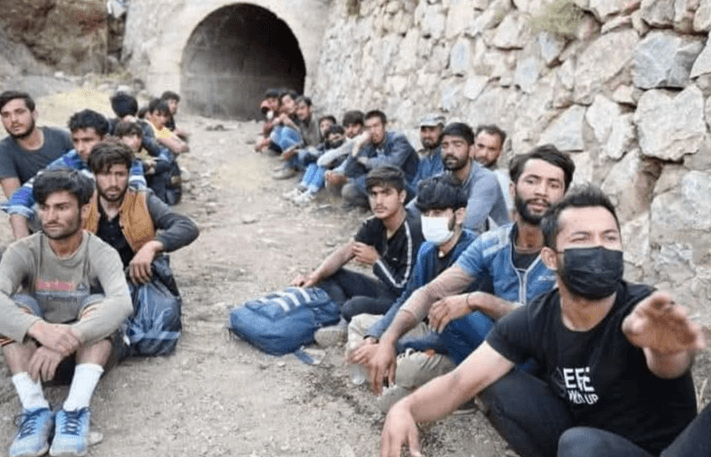
Since the conflict in Afghanistan, forced displacement and irregular migration have sharply increased. Economic collapse, food insecurity, unemployment, restrictions on women and girls, and fear of persecution have compelled millions of Afghans to migrate. Lacking access to legal pathways, migrants resort to dangerous routes controlled by smugglers and traffickers. Deaths from exposure, drowning, suffocation, and violence are recurrent, particularly along borders with Iran, Pakistan, and Turkey. Migrants who survive these journeys often face exploitation, detention, and forced return without access to asylum procedures or protection assessments.
Host and transit countries carry a significant burden, yet current approaches rely heavily on deterrence, enforcement, and deportation rather than protection and responsibility-sharing. This strategy increases irregular movement, strengthens criminal smuggling networks, and exacerbates human suffering without reducing migration pressures.
Key Policy Challenges
The Afghan migrants lack safe, regular migration channels, forcing them into high-risk journeys. Protection systems in transit and host countries remain inadequate, especially for undocumented migrants, women, and children. Labor exploitation is widespread due to the absence of legal status and enforcement of labor standards. Regional cooperation on migration management is weak, leading to inconsistent policies and unsafe border practices. Humanitarian funding shortfalls and limited development investment inside Afghanistan continue to fuel desperation and onward movement.
Policy Recommendations
Decision-makers should prioritize the expansion of safe and legal migration pathways for Afghans, including humanitarian visas, labor mobility programs, family reunification mechanisms, and accessible asylum procedures. These measures significantly reduce reliance on smugglers and prevent deaths along irregular routes.
Governments in transit and host countries must strengthen migrant protection frameworks by ensuring access to basic services, fair labor protections, legal aid, and complaint mechanisms regardless of migration status. Pushbacks, collective expulsions, and arbitrary detention should be halted, and independent monitoring of border practices should be established.
Regional cooperation must be enhanced through formal dialogue platforms involving Afghanistan, neighboring countries, and international organizations. Agreements should focus on humane border management, protection screening, voluntary return, and sustainable reintegration support, rather than forced deportation.
Efforts to combat trafficking and smuggling should adopt a victim-centered approach. Law enforcement actions must be paired with survivor protection, community awareness programs, and safe reporting mechanisms. Criminal networks cannot be dismantled without reducing migrants’ vulnerability through legal alternatives.
The international community should increase humanitarian funding for Afghan refugees and host communities, while also investing in long-term development inside Afghanistan. Livelihood support, education, skills training, and women’s economic participation are essential to reducing forced migration pressures.
Expected Outcomes
Implementing these measures will reduce migrant deaths and exploitation, weaken smuggling networks, improve regional stability, and uphold international human rights obligations. A protection-centered approach will benefit both migrants and host communities by promoting safer, more predictable, and more manageable migration systems.
Conclusion
