
How to Advocate Against Illegal Migration and Smuggler Networks — A Practical Guide for Community Awareness (Focused on Afghan Migrants)
Irregular migration has become a serious concern for vulnerable communities, especially where poverty, insecurity, and limited opportunities push people to search for a better future abroad. Many migrants, inclu,includingding those from Afghanistan, attempt to cross borders illegally toward destinations such as Europe or Australia through dangerous routes controlled by smuggling networks. Advocacy is essential to protect these individuals by raising awareness about the real risks, correcting misinformation, and promoting safer and legal migration options. Effective advocacy should be community-based, practical, and built on trust.
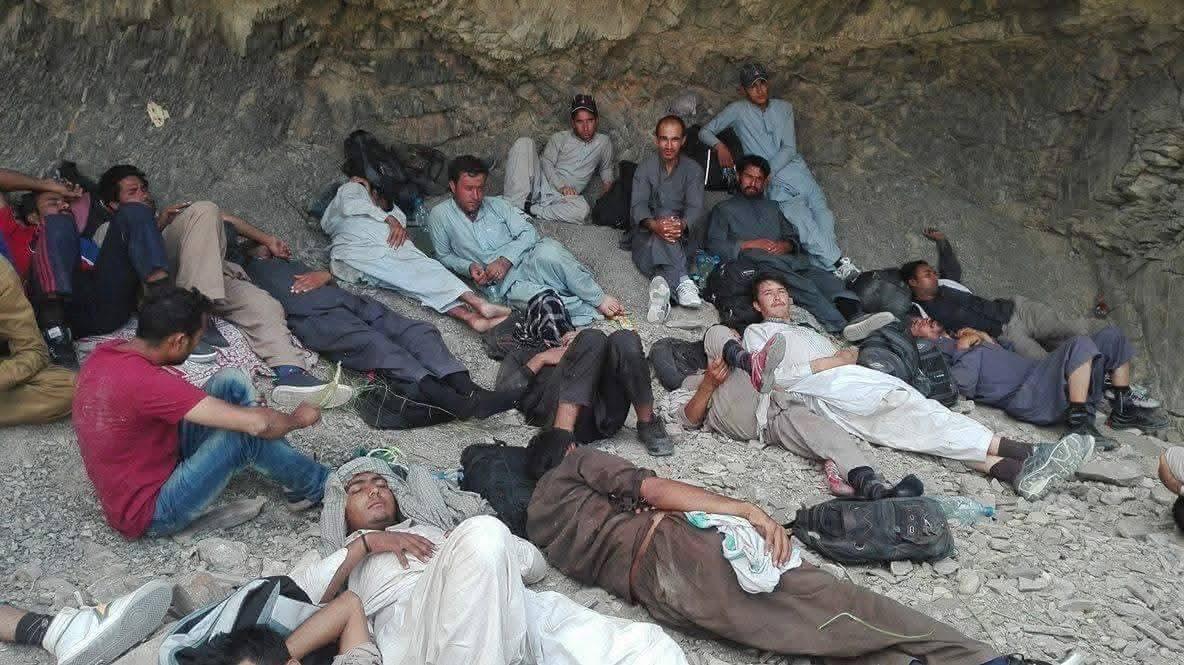
Another critical part of advocacy is exposing how smuggling networks operate and how they deceive migrants. Smugglers often present themselves as helpers and promise safe and guaranteed passage, quick asylum approval, and good jobs on arrival. In reality, they are profit-driven and frequently abandon people mid-route, demand extra payments, confiscate documents, or hand migrants over to other criminal groups. Advocacy messages should explain these tactics in simple language so communities recognize manipulation and false promises. Testimonies from returnees can be especially powerful in showing the truth behind smuggler claims.
Advocacy should also correct common myths about life in destination countries. Many believe that once they arrive in Europe or Australia, they will immediately receive legal status, housing, and income support. The reality is that asylum processes are long and uncertain, work is often restricted, language barriers are serious, and living conditions may include camps or detention centers. By presenting balanced and factual information, advocacy efforts reduce unrealistic expectations and prevent decisions based on false hope.
At the same time, advocacy should not rely only borderon warnings; it should also promote safer alternatives. Communities need information about legal migration pathways, student opportunities, work visa programs, and skills training that can support lawful movement. Where international migration is not immediately possible, advocacy can highlight local livelihood options, vocational education, and small business support as safer investments than paying smugglers. Showing practical alternatives makes the message constructive rather than discouraging alone.
Community voices are the most effective messengers for this type of advocacy. Religious leaders, teachers, elders, civil society groups, journalists, and returned migrants can communicate messages through village meetings, radio programs, schools, and social gatherings. When messages come from trusted local figures, they are more likely to be accepted. Special focus should be placed on youth and families, since young people are often the main targets of smuggling recruiters and families are often the ones financing risky journeys.
Author: Naser Khan Zazai, Founder of the Migrants Crisis Watch
